
 Mar 17, 2026

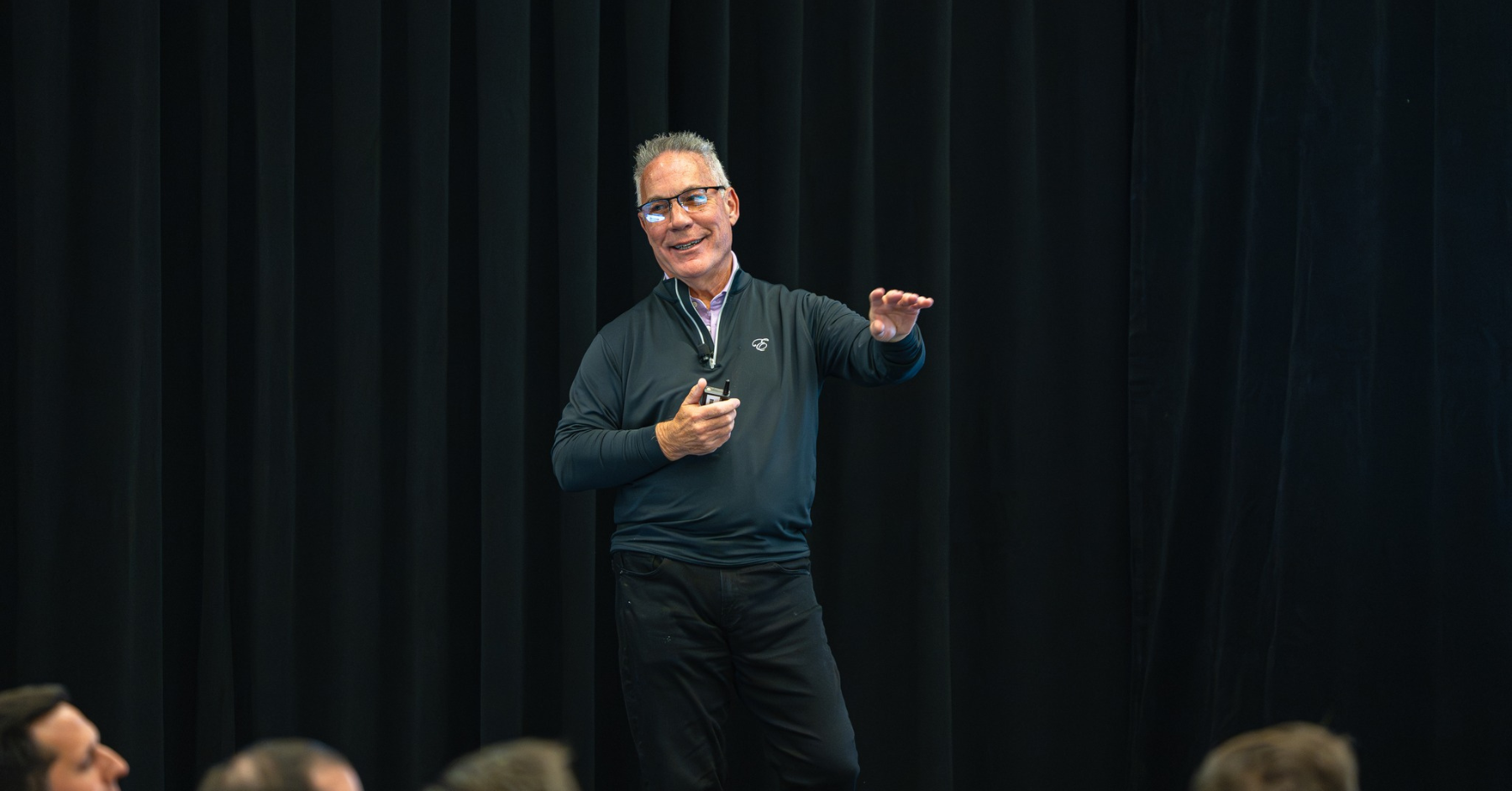
Two years ago, we launched the CEO Quarterly experience for Edison Partners portfolio CEOs: six peers who meet face to face and virtually over fifteen months for shared learning, peer coaching, and meaningful peer connection, with zero judgment or pretense. Last week, our latest cohort met in Nashville, once again proving that when you put the right people in a room with explicit norms around honesty and confidentiality, something shifts. People stop performing and start asking real questions.
A few themes from our session:
Identity is always in the room.
One CEO asked a quietly profound question about how we define ourselves, given the sacrifices this role demands. Driven through a moment of self-awareness, the question opened an important door. Because the truth is, you don't just carry the company's problems, you carry your own sense of self into every decision, hard conversation, and all-hands. The question isn't whether identity and leadership get tangled. They always do. The question is whether you're aware of it when it's happening.
Nobody has AI figured out.
When our first cohort launched, AI wasn't on the agenda as it is today. This group shared their macro perspectives as leaders, citizens, and parents. While they personally experiment, they are doing the same across their companies. Still, many CEOs are genuinely unsure who owns learning and adoption in their organizations. They are learning to move fast without losing the thread of their mission or burning out the people who matter most.
Governance requires relationship discipline.
The dynamics between board and founder/CEO is always a theme in growth equity, and this group was no different. The discussion and actions were a reminder that great governance frameworks do not substitute for the quality of the relationships, shared clarity on roles, and CEO willingness to lead the board, not just report to it or perform for it.
The enemy of focus is abundance.
Too much manufactured distraction. Too many real opportunities. Too many legitimate fires. The CEOs who build something durable are relentlessly selective about what they're building toward, and work to achieve a culture of healthy urgency, starting with themselves.
As the experience designer and facilitator, there is nothing better than watching peer CEOs lean in, listen, and help each other while helping themselves. The magic happens when someone asks the question they've been carrying alone for months and realizes the person across the table has been carrying it, too.
Frequently Asked Questions
1. What do CEOs gain from peer groups or CEO forums?
CEOs gain a confidential environment to ask honest questions, pressure-test decisions, and learn from peers facing similar challenges. These groups reduce isolation, improve decision-making, and often surface patterns leaders wouldn’t recognize on their own.
2. How should CEOs approach AI adoption in their organizations?
Most CEOs are still actively learning, balancing experimentation with responsible implementation. The key is creating space for testing while maintaining alignment with core strategy, clear ownership, and avoiding unnecessary complexity or burnout across teams.
3. What makes effective governance between a CEO and the board?
Effective governance is built on strong relationships, clear role definition, and proactive communication. The best CEOs lead the board by shaping discussions, aligning expectations, and driving accountability on both sides.
